Applicable Legal Framework
Baraawe Human Rights Protection (BHRP) notes that the Federal Republic of Somalia is bound by its Constitution and by applicable regional and international human rights obligations to respect, protect, promote, and fulfil the fundamental rights and freedoms of all persons within its jurisdiction.
The allegations documented in this report should therefore be assessed in light of, among other relevant legal frameworks:
- The Provisional Constitution of the Federal Republic of Somalia, including constitutional guarantees relating to equality before the law, the protection of private property, due process, access to justice, human dignity, and the rule of law.
- The Universal Declaration of Human Rights (1948), which affirms the rights to security of person, property, equality before the law, an effective remedy, and protection against arbitrary interference with one’s home.
- Applicable principles of international human rights law, including internationally recognised protections relating to due process, judicial independence, equality before the law, effective legal remedies, adequate housing, and protection against arbitrary or unlawful displacement.
- The African Charter on Human and Peoples’ Rights, which guarantees respect for human dignity, equality before the law, access to justice, and the peaceful enjoyment of property.
- The United Nations Basic Principles on the Use of Force and Firearms by Law Enforcement Officials, which require law enforcement officials to exercise their powers lawfully, only where necessary, proportionately, and with full respect for human rights and fundamental freedoms.
- The United Nations Basic Principles and Guidelines on Development-Based Evictions and Displacement, which establish internationally recognised safeguards governing forced evictions and protection against arbitrary or unlawful displacement.
Should the allegations documented in this report be substantiated through independent investigative or judicial processes, they may engage constitutional obligations together with Somalia’s applicable regional and international human rights commitments.
Protection of Public Servants Under the Rule of Law
BHRP emphasises that constitutional guarantees and internationally recognised human rights protections apply equally to every individual without distinction based on status, profession, political affiliation, ethnicity, social origin, or previous public office.
Retired members of the armed forces, police officers, judges, prosecutors, civil servants, and former public officials remain entitled to the full protection of the Constitution and the rule of law, including their rights to property, due process, equality before the law, and access to an effective judicial remedy.
Length, distinction, or rank in public service neither enhances nor diminishes an individual’s legal rights. Rather, the rule of law requires that every person be treated equally before the law and afforded equal protection without discrimination.
Where allegations concern former senior public officials, competent authorities bear a heightened institutional responsibility to ensure that investigations are conducted independently, impartially, transparently, and free from political or institutional interference. Such safeguards are essential to maintaining public confidence in the administration of justice and preserving the integrity and legitimacy of state institutions.
The Case of General Jeylani Mohamed Sheikhuna
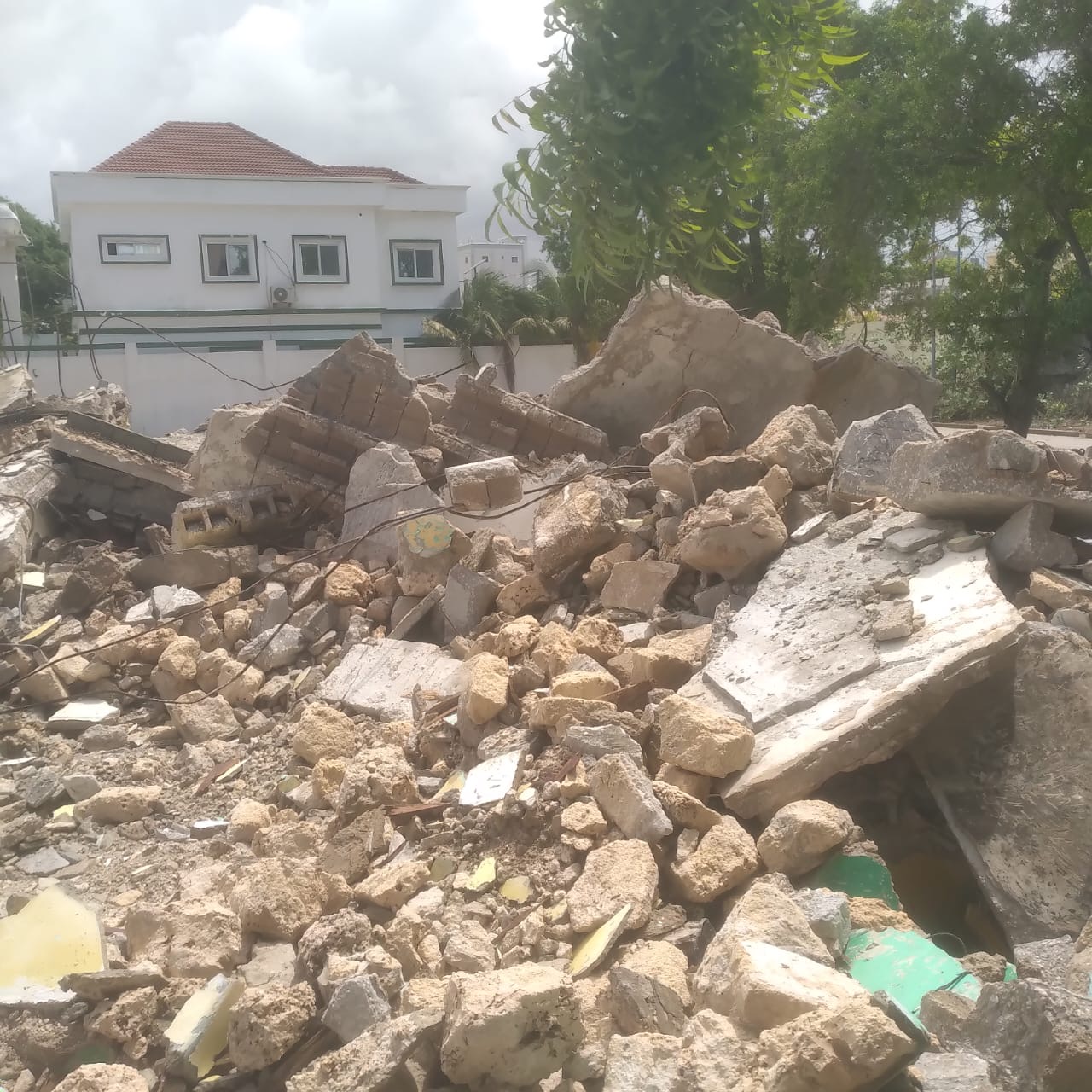
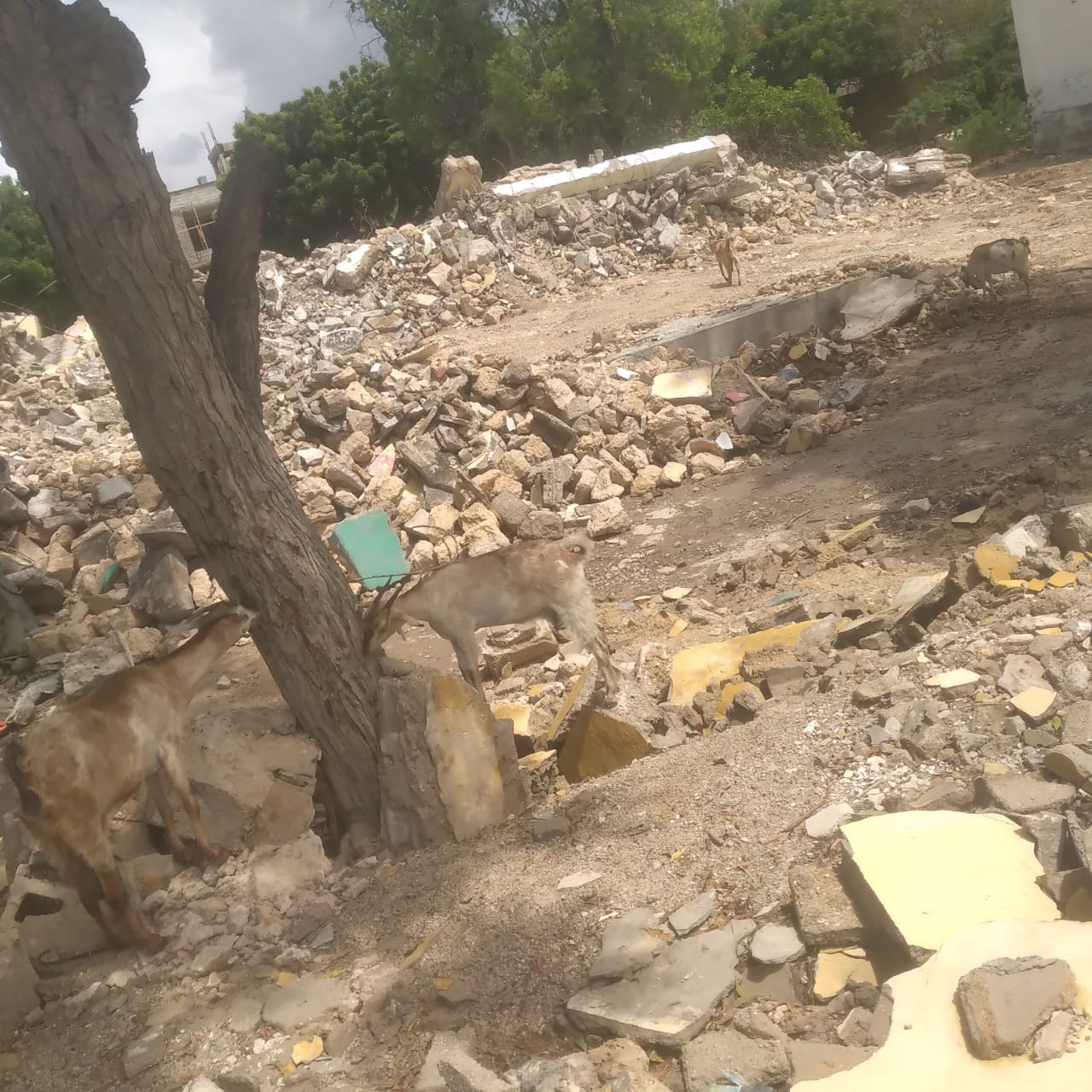
According to information collected by BHRP, the reported demolition of the residence of General Jeylani Mohamed Sheikhuna raises issues extending beyond an individual property dispute and warrants careful examination under Somalia’s constitutional framework and applicable international human rights standards.
General Sheikhuna is reported to have devoted approximately sixty-four years of distinguished public service to the Somali Police Force, serving the Somali State during successive periods of state formation, institutional reconstruction, armed conflict, and national recovery.
If substantiated through an independent investigation, the allegations concerning the reported demolition of the residence of a retired senior police officer while he was receiving medical treatment abroad may raise significant questions concerning:
- protection of private property;
- procedural fairness and due process;
- access to effective judicial remedies;
- legality, necessity, and proportionality in the exercise of public authority;
- equality before the law;
- legal certainty and judicial oversight;
- protection against arbitrary interference with one’s home; and
- public confidence in institutions entrusted with safeguarding constitutional rights and the rule of law.
BHRP emphasises that these observations do not constitute findings of legal liability. Rather, they identify matters of substantial public importance that warrant an independent, impartial, transparent, and credible investigation by the competent authorities.
United Nations Standards on Forced Evictions
International human rights standards recognise that forced evictions may occur only in exceptional circumstances and only where all procedural safeguards have been fully respected.
These safeguards include, among others:
- genuine consultation with affected persons and communities;
- adequate and reasonable prior notice;
- access to all relevant legal documentation;
- meaningful opportunities to challenge decisions before an independent and competent court or tribunal;
- access to legal representation and effective judicial remedies;
- protection against arbitrary, discriminatory, or disproportionate action;
- the use of force only where strictly necessary, lawful, and proportionate; and
- full respect for human dignity throughout every stage of any enforcement process.
Failure to observe these safeguards may give rise to serious constitutional and human rights concerns requiring prompt, impartial, and independent review.
Recommendations
BHRP respectfully recommends that the Federal Government of Somalia establish an Independent National Commission of Inquiry comprising members of the judiciary, the Somali Bar Association, civil society organisations, independent human rights experts, land governance specialists, and, where appropriate, regional and international observers.
The Commission should be mandated to:
- investigate all allegations independently, impartially, transparently, and without undue influence;
- ensure the protection of victims, witnesses, whistleblowers, journalists, lawyers, and human rights defenders;
- preserve documentary, digital, photographic, forensic, and physical evidence;
- review the legality of disputed demolition orders, land claims, and administrative decisions;
- assess compliance with constitutional, statutory, regional, and international human rights obligations;
- identify institutional failures or systemic weaknesses contributing to unlawful practices;
- recommend restitution of property where legally appropriate, compensation, rehabilitation, and other effective remedies for victims whose rights have been violated;
- recommend legislative, administrative, and institutional reforms designed to prevent recurrence; and
- publish a comprehensive public report containing factual findings, legal analysis, and recommendations.
BHRP further encourages Somalia’s international partners, including the United Nations, the African Union, and international development partners, to provide technical assistance aimed at strengthening judicial independence, land administration, anti-corruption institutions, accountability mechanisms, and the protection of human rights defenders.
Closing Statement
Baraawe Human Rights Protection reiterates that the legitimacy of democratic institutions is measured not only by the authority they exercise, but also by their fidelity to the Constitution, the rule of law, accountability, and respect for fundamental human rights.
The organisation reaffirms the universal principle that no individual is above the law, and no individual should be denied the equal protection of the law.
Whether the affected person is an ordinary citizen, a retired police general, a judge, a member of the armed forces, a civil servant, or a public official, every individual is entitled to due process, the peaceful enjoyment of property, equality before the law, effective access to justice, and the full protection of rights guaranteed under Somalia’s Constitution and applicable regional and international human rights standards.
BHRP therefore respectfully urges the Federal Government of Somalia, the Somali Judiciary, the Federal Parliament, constitutionally mandated oversight institutions, the African Union, the United Nations, international partners, and the wider human rights community to ensure that the allegations documented in this report are examined through independent, impartial, transparent, and credible processes; that victims have access to effective remedies where appropriate; and that the principles of legality, accountability, judicial independence, equality before the law, respect for human dignity, and the protection of constitutional rights remain central to Somalia’s constitutional governance, democratic consolidation, institutional reform, and sustainable peace.
Zahra Omar
Advocacy Team – London
Baraawe Human Rights Protection (BHRP)
Email: info@baraawehr.org